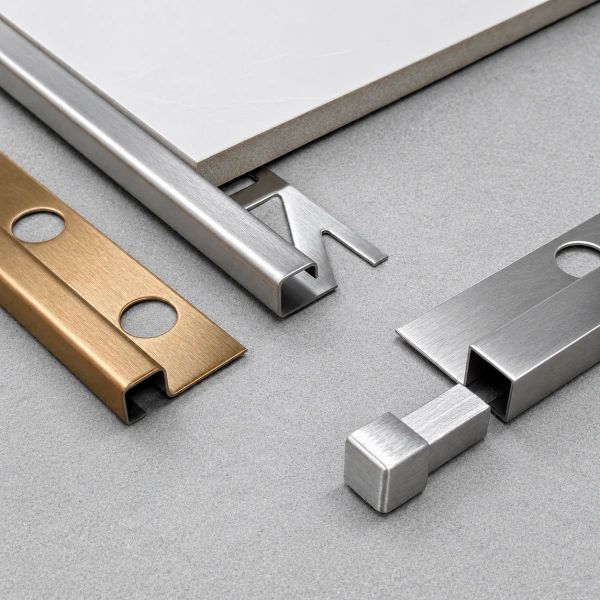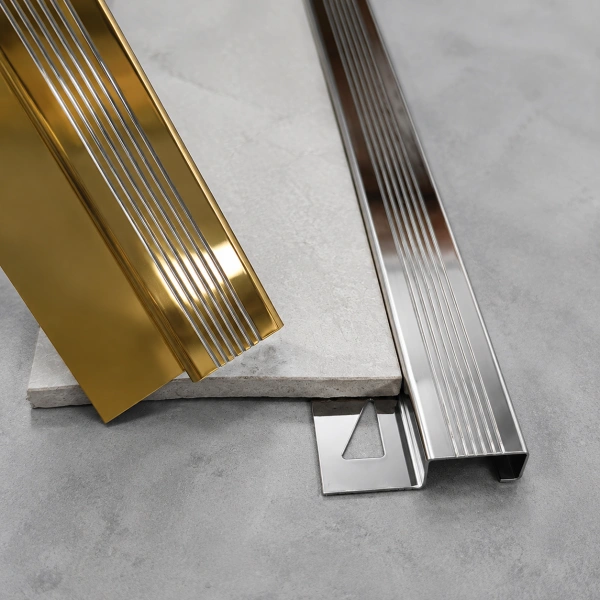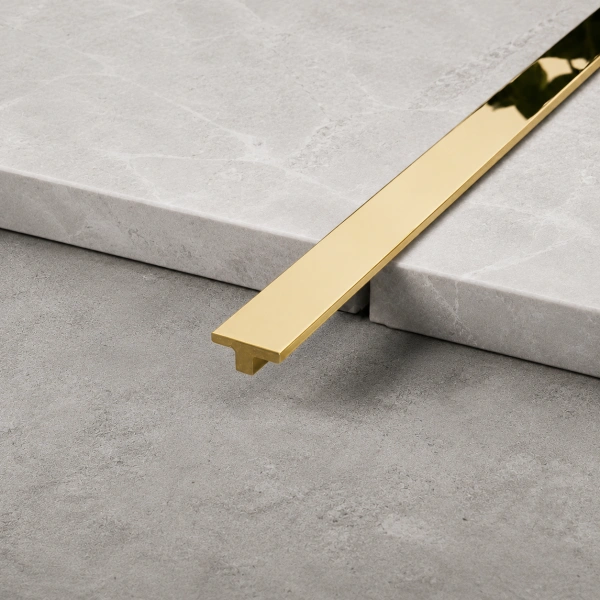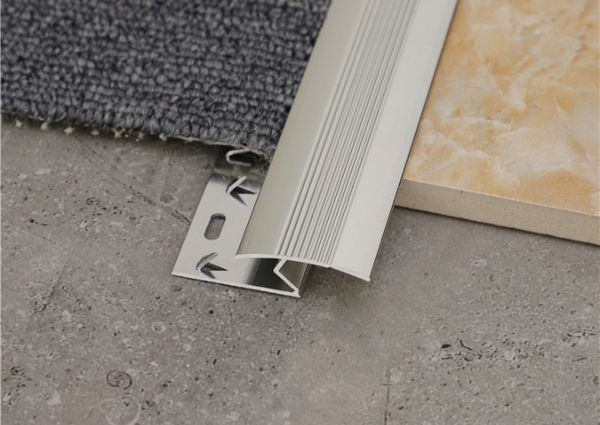
The main difference lies in their location and the tile problems they solve. An outside corner trim is installed on outward-facing 90-degree corners such as shower niches, half walls and exposed column edges. It covers unglazed tile edges and protects them from impact.
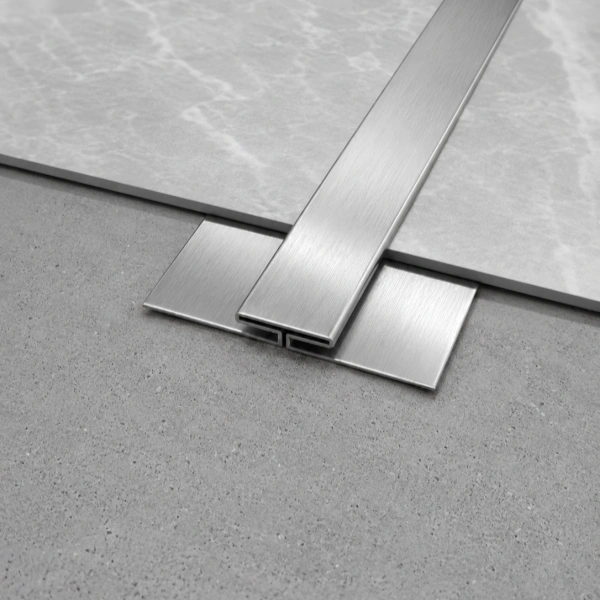
An inside corner trim is used for inward-facing junctions such as wall-to-floor corners and internal shower corners. It hides uneven cuts, improves the transition between two tiled planes and can make cleaning easier.

Table of contents
- What Is Tile Outside Corner Trim?
- What Is Tile Inner Corner Trim?
- Main Differences For Installation
- How To Choose The Correct Trim?
What Is Tile Outside Corner Trim?
Tile outside corner trim is designed for exposed external corners. On commercial projects it helps protect tile edges during daily use, improves the straightness of wall corners and gives the installation a more finished architectural look.
Common materials include aluminum, stainless steel, brass and PVC. For bathrooms, hotels and public projects, metal profiles are often preferred because they provide stronger edge protection and more stable finishes.
What Is Tile Inner Corner Trim?
Tile inner corner trim is used where two tiled surfaces meet inside a corner. It can cover small cutting variations, reduce visible grout lines and create a cleaner waterproofing detail in wet areas.
Some inner corner profiles have a soft cove shape, which makes the corner easier to wipe and helps reduce dirt buildup in kitchens, bathrooms and shower rooms.
Main Differences For Installation
| Item | Outside Corner Trim | Inside Corner Trim |
|---|---|---|
| Position | External, outward-facing corners | Internal, inward-facing corners |
| Main Purpose | Protect exposed tile edges | Cover internal transitions |
| Typical Area | Walls, niches, columns, counters | Bathrooms, kitchens, shower corners |
| Visual Effect | Straight and decorative edge line | Clean and smooth internal junction |
How To Choose The Correct Trim?
For exposed corners, choose outside corner profiles with durable materials and a finish that matches the tile, faucets, door frames or other metal details. For recessed corners, choose inner corner profiles that match the tile thickness and installation environment.
For B2B projects, NIUYUAN can customize tile trim materials, colors, hole patterns, lengths and packaging according to project drawings and procurement requirements.